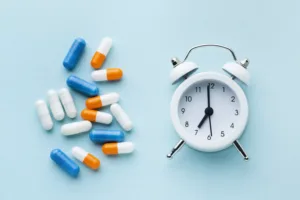
Pharmaceutical aids are inactive substances used in drug formulation that do not produce a therapeutic effect but help in the preparation, stability, appearance, preservation, and administration of medicines. If you are searching what is pharmaceutical aids or want to define pharmaceutical aids in simple exam language, this guide covers everything you need. For B.Pharm and D.Pharm students, this topic is best studied through its definition, classification, uses, and examples. Read on for clear, exam-oriented notes that are easy to revise and memorize.
Introduction
Every medicine you take contains more than just the active drug. Alongside the active pharmaceutical ingredient (API), a formulation includes several inactive substances. These inactive substances are known as pharmaceutical aids or excipients.
They do not treat the disease. Yet they are essential. Without them, medicines would be unstable, unpleasant to take, and difficult to manufacture. Pharmaceutical aids make medicines safe, stable, and acceptable to patients.
Key point for exams: An API produces the therapeutic effect. A pharmaceutical aid supports the formulation but has no therapeutic action of its own.
What Is Pharmaceutical Aids? Definition in Pharmaceutics
Pharmaceutical aids are inactive ingredients used in drug formulations. They do not produce the intended therapeutic effect. Instead, they help in manufacturing, stability, appearance, taste, and drug delivery.
Definition (exam format): Pharmaceutical aids are inactive substances added to drug formulations to improve stability, taste, appearance, manufacturing, and overall product performance without providing any therapeutic action.
They are essential for:
- Stabilizing the active pharmaceutical ingredient (API)
- Improving patient compliance through better taste and appearance
- Facilitating drug manufacturing processes
- Supporting drug delivery and, in some cases, improving bioavailability
- Protecting the formulation from microbial contamination, oxidation, moisture, or degradation
Classification of Pharmaceutical Aids for B.Pharm and D.Pharm
Pharmaceutical aids are classified based on their origin, dosage form, and function. Let’s look at each type.
Based on Origin
| Origin | Examples |
|---|---|
| Vegetable Source | Starch, Peppermint oil, Turmeric, Acacia, Tragacanth |
| Animal Source | Lactose, Gelatin, Beeswax, Honey, Lanolin |
| Mineral Source | Silica, Talc, Calamine, Calcium phosphate, Kaolin |
| Synthetic Source | Lactic acid, Boric acid, Povidone (PVP), Sodium benzoate |
Based on Dosage Form
- Solid dosage forms (tablets, capsules): Binders, Lubricants, Diluents, Disintegrants, Glidants
- Liquid dosage forms (syrups, suspensions, emulsions): Solvents, Sweeteners, Flavoring agents, Preservatives, Suspending agents, Emulsifying agents
- Semi-solid dosage forms (creams, ointments): Emulsifying agents, Preservatives, Humectants
Based on Function
This is the most commonly used classification and the easiest to remember for exams. The major functional types of pharmaceutical aids are:
- Sweetening agents
- Coloring agents
- Flavoring agents
- Preservatives
- Solvents
- Lubricants
- Binders
- Diluents (fillers)
- Disintegrants
- Suspending agents
- Emulsifying agents
1. Sweetening Agents
Sweetening agents are substances added to pharmaceutical preparations to improve taste by providing a sweet flavor. They are especially important in pediatric formulations and liquid medicines.
Types of Sweetening Agents
A. Natural Sweeteners
- Sucrose (sugar): The most widely used sweetener. Pleasant in taste and acts as a preservative at high concentrations. Used in syrups and elixirs.
- Glucose (dextrose): Less sweet than sucrose. Used in intravenous infusions and oral preparations.
- Fructose: Sweeter than sucrose and found naturally in fruits. Suitable for diabetic formulations due to a lower glycemic index.
- Honey: A natural sweetener used in cough syrups and pediatric preparations. Has mild antimicrobial properties.
- Sorbitol: A sugar alcohol with about 60% sweetness of sucrose. Used in sugar-free formulations and as a humectant.
- Mannitol: Used in chewable tablets. Provides a cool sensation and is poorly absorbed from the gut.
- Xylitol: As sweet as sucrose but with fewer calories. Used in sugar-free products.
B. Artificial Sweeteners
- Aspartame: About 200 times sweeter than sucrose. Not stable at high temperatures.
- Saccharin: About 300–400 times sweeter than sucrose. May leave a bitter metallic aftertaste.
- Sucralose: About 600 times sweeter than sucrose. Very stable, no calories, widely used in syrups.
- Acesulfame potassium (Ace-K): About 200 times sweeter than sucrose. Often combined with other sweeteners to reduce aftertaste.
Uses
- Masking the bitter or unpleasant taste of APIs
- Improving patient compliance, especially in children
- Acting as preservatives at high concentrations (sucrose)
- Providing bulk in sugar-free tablets (sorbitol, mannitol)
Advantages and Disadvantages
- Advantages: Make medicines easier to take; artificial sweeteners are calorie-free and suitable for diabetics; honey adds antimicrobial benefit.
- Disadvantages: Natural sugars can cause dental caries and raise blood glucose; aspartame is contraindicated in phenylketonuria (PKU); some artificial sweeteners may cause gastrointestinal discomfort.
2. Coloring Agents
Coloring agents are substances added to pharmaceutical preparations to give a specific, consistent color. They improve appearance, help in identification, and protect products from light.
Types of Coloring Agents
A. Natural Coloring Agents
| Agent | Color | Source |
|---|---|---|
| Caramel | Brown | Heated sugar |
| Beetroot juice | Red/Pink | Beet plant |
| Turmeric (Curcumin) | Yellow | Turmeric root |
| Chlorophyll | Green | Plant leaves |
| Saffron | Orange-Yellow | Crocus flower |
| Indigo | Blue | Indigofera plant |
B. Synthetic (Artificial) Coloring Agents
| Agent | Color | Common Use |
|---|---|---|
| Tartrazine (FD&C Yellow No. 5) | Yellow | Tablets, capsules |
| Sunset Yellow (FD&C Yellow No. 6) | Orange | Syrups |
| Erythrosine (FD&C Red No. 3) | Red | Dental products |
| Brilliant Blue (FD&C Blue No. 1) | Blue | Capsules |
| Amaranth | Red-Purple | Oral preparations |
Uses
- Identification of different drugs by patients and healthcare professionals
- Light protection for photosensitive drugs
- Brand differentiation and recognition
- Improved aesthetic appeal
- Prevention of counterfeiting
Advantages and Disadvantages
- Advantages: Improve visual appeal, reduce medication errors, provide light stability, and support brand recognition.
- Disadvantages: Some synthetic dyes may cause allergic reactions (e.g., tartrazine sensitivity); strict regulatory approval is required; natural dyes show batch-to-batch variation.
3. Flavoring Agents
Flavoring agents improve the patient experience by masking unpleasant tastes. They make medicines easier to take, especially for children and older adults, and improve acceptability and adherence.
Types of Flavoring Agents
A. Natural Flavoring Agents
- Essential oils: Peppermint oil, Lemon oil, Orange oil, Clove oil, Cinnamon oil
- Fruit extracts: Strawberry, Cherry, Raspberry, Vanilla
- Aromatic waters: Peppermint water, Rose water, Cinnamon water
B. Artificial Flavoring Agents
- Vanillin: Synthetic vanilla flavor, widely used in syrups
- Ethyl maltol: Fruity, caramel-like flavor
- Isoamyl acetate: Banana flavor
- Ethyl acetate: Fruity aroma
Choosing the Right Flavor
The choice of flavor depends on the taste of the API:
| API Taste | Recommended Flavor |
|---|---|
| Bitter | Chocolate, Mint, Wild cherry |
| Salty | Butterscotch, Maple, Peach |
| Sour | Citrus fruits (lemon, orange) |
| Metallic | Grape, Raspberry |
Uses, Advantages and Disadvantages
- Uses: Masking bitter taste, improving compliance in children, enhancing the sensory experience of liquids.
- Advantages: Greatly improve palatability and encourage regular use.
- Disadvantages: May cause allergies, degrade over time, or interact with APIs affecting stability.
4. Preservatives
Preservatives are substances added to prevent microbial contamination by bacteria, fungi, and yeast, and to extend the shelf life of the product. Liquid preparations like syrups, suspensions, eye drops, and injections are especially prone to contamination.
Types of Preservatives
A. Antimicrobial Preservatives
| Preservative | Concentration | Used In |
|---|---|---|
| Benzalkonium Chloride | 0.01–0.02% | Eye drops, nasal sprays |
| Sodium Benzoate | 0.1–0.3% | Oral syrups |
| Benzyl Alcohol | 1–2% | Injections |
| Chlorobutanol | 0.5% | Eye drops, injections |
| Phenol | 0.5% | Injections |
| Methyl Paraben | 0.05–0.25% | Topical, oral preparations |
| Propyl Paraben | 0.01–0.05% | Combined with methyl paraben |
| Thiomersal | 0.01% | Vaccines, ophthalmic preparations |
B. Antioxidant Preservatives
These prevent oxidation of the drug substance:
- Ascorbic acid (Vitamin C): For aqueous preparations
- Sodium metabisulfite: Injections, oral liquids
- Butylated hydroxyanisole (BHA): Oily preparations
- Butylated hydroxytoluene (BHT): Oily preparations and oils
- Tocopherol (Vitamin E): Oily preparations, emulsions
Uses, Advantages and Disadvantages
- Uses: Preventing bacterial and fungal growth in multi-dose containers, extending shelf life, maintaining sterility of ophthalmic and parenteral products.
- Advantages: Prevent microbial contamination and allow economical multi-dose packaging.
- Disadvantages: Some cause irritation (e.g., benzalkonium chloride in eye drops); parabens raise endocrine concerns at high doses; some patients show hypersensitivity.
5. Solvents
Solvents are substances used to dissolve the drug or other pharmaceutical aids to form a solution or homogeneous preparation.
Types of Solvents
A. Aqueous Solvents (water-based)
- Purified water (Aqua Purificata): The most commonly used solvent. Used in syrups, mixtures, and external preparations.
- Water for Injection (WFI): Sterile, pyrogen-free water used for parenteral preparations.
- Aromatic waters: Saturated solutions of essential oils such as peppermint water and rose water.
B. Non-Aqueous Solvents
- Ethanol (alcohol): Used in tinctures, elixirs, and as an antiseptic. Concentration varies from 20–95%.
- Glycerin (glycerol): Viscous, sweet solvent used in cough syrups and topical preparations. Also a humectant.
- Propylene glycol: Used as a co-solvent in injections and topical preparations.
- Liquid paraffin: Used in oily mixtures and as a laxative.
- Fixed oils: Arachis oil, olive oil, and sesame oil, used in oily injections and topical preparations.
Properties of an Ideal Solvent
- Chemically inert and non-toxic
- Should not react with the drug
- Pleasant in taste (for oral preparations)
- Stable under storage conditions
- Economical and easily available
Uses
- Dissolving APIs and excipients
- Serving as vehicles in liquid dosage forms
- Acting as co-solvents to improve solubility of poorly soluble drugs
6. Lubricants
Lubricants are substances added to tablet and capsule formulations to reduce friction between the tablet or granule surface and the die and punch surface during compression. Without lubricants, tablets stick to punches and die walls, causing defects like capping, lamination, and picking.
Types of Lubricants
| Lubricant | Type | Concentration |
|---|---|---|
| Magnesium stearate | Hydrophobic | 0.25–1% |
| Calcium stearate | Hydrophobic | 0.25–2% |
| Stearic acid | Hydrophobic | 1–3% |
| Talc | Hydrophobic | 1–5% |
| Sodium lauryl sulfate (SLS) | Hydrophilic | 0.5–2% |
| Polyethylene glycol (PEG) | Hydrophilic | 2–5% |
Exam point: Magnesium stearate is the most commonly used tablet lubricant.
Uses, Advantages and Disadvantages
- Uses: Reduce friction during compression and ejection, prevent sticking, improve powder flow, and reduce heat.
- Advantages: Essential for efficient manufacturing and prevent defects.
- Disadvantages: Hydrophobic lubricants can retard drug dissolution if used in excess; over-lubrication leads to soft tablets and poor drug release.
7. Binders
Binders, also called adhesives, are substances that impart cohesiveness to tablet granulations, ensuring the tablet remains intact after compression.
Types of Binders
A. Natural Binders
- Starch paste (10–20%): The most widely used binder. Made from potato or corn starch.
- Acacia (gum arabic): Used as a 10–25% solution.
- Tragacanth: Used as a 2% mucilage.
- Gelatin: Used as a 10–15% solution.
B. Synthetic/Semi-synthetic Binders
- Povidone (PVP – Polyvinylpyrrolidone): The most popular synthetic binder. Used as a 2–10% solution.
- Hydroxypropyl methylcellulose (HPMC): Used as a 2–5% solution.
- Microcrystalline cellulose (MCC): Used as a dry binder in direct compression.
- Polyethylene glycol (PEG): Used as a meltable binder.
Uses
- Binding tablet granules together to form a compact tablet
- Improving hardness and mechanical strength
- Enabling the granulation process in tablet manufacturing
8. Diluents (Fillers)
Diluents are inert substances added to tablet formulations to increase bulk to a practical size for compression and handling. Many APIs are potent and needed in very small doses (e.g., 0.5 mg). Diluents add volume to make the tablet a manageable size, usually 100–500 mg.
Types of Diluents
| Diluent | Type | Properties |
|---|---|---|
| Lactose | Sugar-based | Most widely used, good compressibility |
| Microcrystalline Cellulose (MCC) | Cellulosic | Excellent compressibility, multi-functional |
| Dicalcium phosphate | Inorganic | Hard, used in chewable tablets |
| Starch | Polysaccharide | Also acts as disintegrant |
| Mannitol | Sugar alcohol | Good taste, used in chewable and dispersible tablets |
| Sorbitol | Sugar alcohol | Hygroscopic, used in chewable tablets |
Uses
- Increasing tablet bulk to a practical size
- Improving compressibility and flow of the tablet blend
- Serving additional functions, such as disintegration with starch
9. Disintegrants
Disintegrants are substances added to tablets to promote their break-up after administration, helping in drug release and absorption.
Types of Disintegrants
| Disintegrant | Category | Examples |
|---|---|---|
| Starch | Traditional | Corn starch, Potato starch |
| Modified starch | Superdisintegrant | Sodium starch glycolate |
| Cellulosic | Superdisintegrant | Croscarmellose sodium (CCS) |
| PVP-based | Superdisintegrant | Crospovidone (PVPP) |
| Clays | Traditional | Veegum, Bentonite |
Exam point: Superdisintegrants (sodium starch glycolate, croscarmellose sodium, crospovidone) work at very low concentrations (2–5%) and are far more effective than traditional disintegrants.
Mechanism of Disintegrant Action
- Swelling: Absorbs water and swells, breaking the tablet apart
- Wicking: Draws water into the tablet by capillary action
- Deformation recovery: Compressed particles return to their original shape, causing breakup
10. Suspending Agents
Suspending agents are substances added to pharmaceutical suspensions to increase the viscosity of the continuous phase, slowing down the settling of suspended particles.
Types of Suspending Agents
A. Natural Suspending Agents
- Tragacanth: Used as a 0.1–1% mucilage. One of the most effective natural suspending agents.
- Acacia: Used as a 5–10% solution.
- Bentonite: An inorganic clay that swells in water to form a thixotropic gel.
- Sodium alginate: Derived from seaweed; used in 1–5% concentration.
B. Synthetic/Semi-synthetic Suspending Agents
- Carboxymethylcellulose (CMC): The most widely used, available as sodium CMC.
- Methylcellulose (MC): Dissolves in cold water to form a viscous gel.
- Hydroxypropyl methylcellulose (HPMC): Used in ophthalmic and oral suspensions.
- Carbomer (Carbopol): Cross-linked polyacrylic acid; an excellent viscosity enhancer.
- Polyvinylpyrrolidone (PVP): Used in low concentrations.
Uses
- Maintaining uniform distribution of insoluble drug particles
- Preventing hard caking of sediment
- Ensuring accurate dosing from the suspension
11. Emulsifying Agents
Emulsifying agents, or emulsifiers, are substances that stabilize an emulsion by forming a film around the dispersed droplets, preventing coalescence.
Types of Emulsifying Agents
A. Natural Emulsifying Agents
- Acacia (gum arabic): The most widely used in oral emulsions. Ratio for primary emulsion: 4:2:1 (oil:water:acacia).
- Tragacanth: Used in combination with acacia.
- Gelatin: Type A (acid-processed) or Type B (alkali-processed).
- Egg yolk (lecithin): A natural phospholipid emulsifier used in IV fat emulsions.
- Wool fat (lanolin): A w/o emulsifier used in topical preparations.
B. Synthetic Emulsifying Agents
- Sodium lauryl sulfate (SLS): An anionic surfactant used in o/w emulsions.
- Cetrimide: A cationic surfactant used in pharmaceutical and antiseptic preparations.
- Polysorbates (Tweens): Non-ionic; Tween 80 is widely used in oral and parenteral emulsions.
- Sorbitan esters (Spans): Non-ionic; used in w/o emulsions and combined with Tweens.
HLB Value and Emulsifier Selection
The HLB (Hydrophile-Lipophile Balance) value helps select the right emulsifier:
| HLB Range | Application |
|---|---|
| 3–6 | w/o emulsifiers (Spans) |
| 7–9 | Wetting agents |
| 8–18 | o/w emulsifiers (Tweens, SLS) |
| 13–15 | Detergents |
Advantages of Pharmaceutical Aids
- Improve patient compliance by making medicines taste, look, and feel better
- Enhance stability and shelf life of drug formulations
- Facilitate manufacturing processes like tableting, filling, and mixing
- Protect drugs from microbial contamination, oxidation, and light degradation
- Enable accurate dosing by providing appropriate bulk and uniformity
Disadvantages of Pharmaceutical Aids
- Some may cause allergic or hypersensitivity reactions
- Certain aids, such as hydrophobic lubricants, may interfere with drug release
- Regulatory approval is required for all aids used in formulations
- Incorrect selection or concentration can affect drug stability
- Additional cost is added to the formulation
Exam Summary: Quick Revision Notes
Use these points for last-minute revision.
- Definition: Pharmaceutical aids are inactive substances added to formulations to improve stability, taste, appearance, and manufacturing without producing a therapeutic effect.
- Classification: Based on origin (vegetable, animal, mineral, synthetic), dosage form (solid, liquid, semi-solid), and function.
- Functional types (11): Sweetening agents, coloring agents, flavoring agents, preservatives, solvents, lubricants, binders, diluents, disintegrants, suspending agents, emulsifying agents.
- Key examples to memorize:
- Lubricant: Magnesium stearate
- Binder: Starch paste, Povidone (PVP)
- Diluent: Lactose, MCC
- Superdisintegrant: Sodium starch glycolate, Croscarmellose sodium, Crospovidone
- Preservative: Sodium benzoate, Parabens
- Emulsifier: Acacia, Tween 80
Conclusion
Pharmaceutical aids are essential inactive ingredients used in the preparation, stabilization, manufacture, and acceptability of medicines. They improve dosage form performance, patient compliance, product stability, and manufacturing efficiency.
Proper selection matters because inappropriate excipients can affect drug quality, safety, and performance. For B.Pharm and D.Pharm students, mastering the definition, classification, uses, and examples of pharmaceutical aids builds a strong foundation in pharmaceutics and helps you score well in exams.