Insulin resistance is increasingly common in the United States, especially with rising rates of obesity, inactivity, and processed‑food diets. It means your body’s cells don’t respond well to insulin, so blood sugar stays higher than it should. The good news is that several science‑backed lifestyle and medical steps can help reverse it if you act early.
1. Lose excess body weight
Losing even a small amount of weight can improve insulin sensitivity. Research shows that losing about 5–10% of your body weight can help lower blood sugar, triglycerides, and blood pressure. For example, if you weigh 200 pounds, that’s about 10–20 pounds.
Focus on slow, steady weight loss through better food choices and movement, rather than extreme diets. In the US, brands like Weight Watchers (now WW) are widely used, while in India, apps such as HealthifyMe or S Health (Samsung) help track calories and activity.
2. Eat a high‑fiber, balanced diet
A diet rich in fiber, healthy fats, and lean protein improves insulin sensitivity more than one loaded with refined carbs and sugar. Aim to:
- Fill half your plate with vegetables and some fruit.
- Choose whole grains like oats, quinoa, or brown rice instead of white bread and white rice.
- Include lean protein such as chicken, fish, eggs, or legumes.
Cut back on sugary drinks and highly processed snacks. In the US, many people still drink soda daily, while in India, sweetened drinks from brands like classic Coca-Cola or Sprite and packaged sweets are common sugar sources. Replacing those with water, herbal tea (like Tulsi), or unsweetened beverages is a simple first step.
3. Exercise regularly
Exercise is one of the most powerful treatments for insulin resistance. Both aerobic and strength training help muscles use glucose more efficiently. Even walking 30 minutes a day, most days of the week, can make a difference.
Aim for:
- At least 150 minutes per week of moderate activity (like brisk walking, cycling, or swimming).
- Two sessions of strength training (using weights, resistance bands, or body‑weight exercises like squats and push‑ups).
If you live in the US, tools like Fitbit, Apple Watch, or Garmin can help track steps and workouts. In India, brands like Noise, Boat, and Amazfit offer similar fitness trackers at different price points.
4. Improve sleep quality
Poor or short sleep can make insulin resistance worse. Studies show that regularly sleeping less than 6–7 hours per night can increase blood sugar and reduce insulin sensitivity. Shift work, late‑night screen time, and irregular schedules are common culprits.
To improve sleep:
- Try to go to bed and wake up around the same time every day.
- Reduce screen time at night and keep your bedroom dark, cool, and quiet.
- Limit caffeine in the evening and avoid heavy meals close to bedtime.
5. Manage stress
Chronic stress raises stress hormones like cortisol, which can raise blood sugar and worsen insulin resistance. Common stressors include work pressure, money worries, and long commutes.
Simple stress‑reducing habits that help include:
- Deep breathing or box breathing (inhale 4 seconds, hold 4, exhale 4, hold 4).
- Mindfulness or short meditations using apps like Calm or Headspace in the US.
- Yoga or guided breathing apps such as Rüpu or mental‑wellness‑focused features on Indian apps.
6. Consider prescribed treatment when needed
If lifestyle changes are not enough, doctors may recommend medication or medical support. Common options that have been studied for insulin resistance include:
- Metformin, an oral medicine often used in both the US and India to improve insulin sensitivity.
- Certain weight‑loss medications (like GLP‑1 drugs such as Ozempic or Wegovy in the US; some GLP‑1 analogues are also available in India, but branding and approval vary).
- Other diabetes or metabolic medicines, depending on your blood work and risk factors.
Read about Diabetes and its types, symptoms and treatment guide.
Note: Always use medicines under a doctor’s supervision. Never start or stop any insulin‑resistance treatment on your own.
7. When to talk to a doctor
You should speak with a healthcare provider if you:
- Have a waist size over about 35 inches (89 cm) for women or 40 inches (102 cm) for men.
- Have a family history of type 2 diabetes plus weight gain or fatigue.
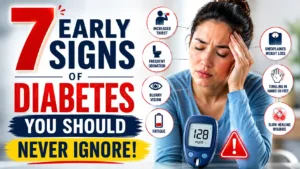
- Notice frequent thirst, frequent urination, or unexplained tiredness.
A simple blood test can check fasting glucose, HbA1c, and sometimes insulin levels. In the US, you can request this at a primary care clinic or pharmacy lab; in India, similar tests are widely available at local diagnostic centers (e.g., Apollo, SRL, or Dr. Lal PathLabs).
Final note
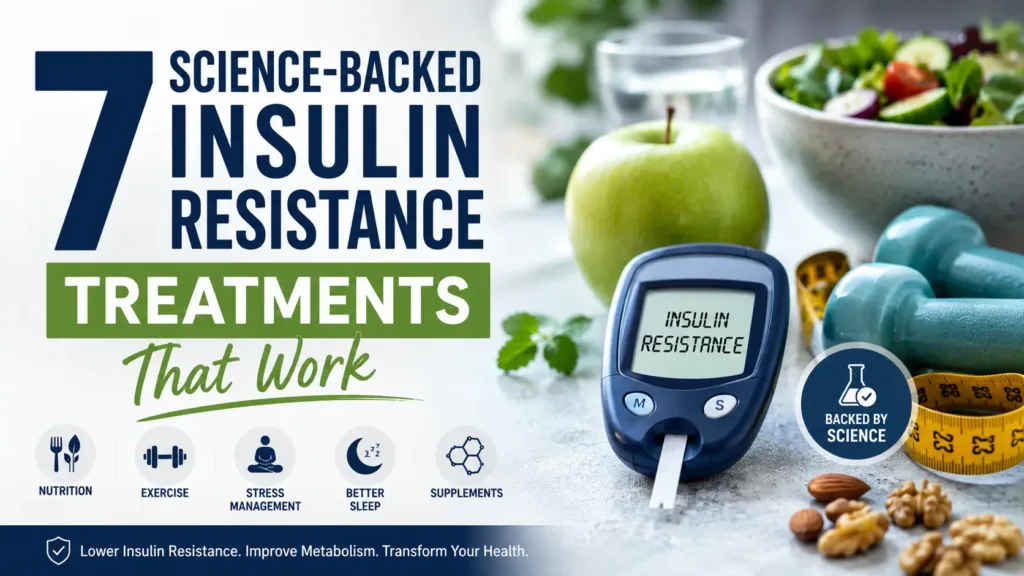
Insulin resistance is reversible for many people, especially when caught early. The most effective “treatment” combines weight management, better food choices, regular movement, good sleep, and stress control. If you are in the US or India and feel your lifestyle is making you more insulin resistant, now is a good time to make small, consistent changes.