

A well-structured diabetic diet plan focuses on non-starchy vegetables, smart carbohydrates, lean proteins, and heart-healthy fats—while limiting added sugars and refined grains. Evidence-backed approaches like the Plate Method, Mediterranean-style eating, and the DASH pattern all support blood sugar control, reduced A1C, and a lower risk of long-term complications.
More than 40 million Americans—roughly 1 in 8—are living with diabetes, and approximately 90–95% of those cases are type 2 (CDC, 2024). For most of them, food isn’t just fuel. It’s medicine.
But knowing you should “eat better” and knowing how to eat better are two very different things. The nutrition advice out there ranges from useful to contradictory to genuinely overwhelming. Low-carb? Mediterranean? Plate Method? Cut sugar? Add fiber? The options multiply fast.
This guide cuts through the noise. Below are 12 expert-backed tips for building a diabetic diet plan that actually works—grounded in guidance from the CDC, the American Diabetes Association (ADA), and Mayo Clinic. Whether you’re newly diagnosed or refining an existing routine, these strategies offer a practical, evidence-based place to begin.
One important note before you dive in: always work with your healthcare provider or a registered dietitian to tailor any eating plan to your personal health needs, medications, and goals. No single approach works for everyone.
Key Takeaways
- Fill half your plate with non-starchy vegetables at every meal.
- Choose whole grains over refined carbohydrates.
- Pair carbohydrates with protein, healthy fats, or fiber.
- Include lean protein sources such as fish, chicken, tofu, and legumes.
- Follow a consistent meal schedule to help stabilize blood sugar levels.
- Consider evidence-based eating patterns such as the Mediterranean Diet, DASH Diet, or a low-carbohydrate approach.
- Work with a registered dietitian to create a personalized diabetes meal plan.
Medically Reviewed Information
Last Updated: July 2026
Content Type: Evidence-Based Educational Guide
Sources Referenced:
- CDC (Centers for Disease Control and Prevention)
- American Diabetes Association (ADA)
- Mayo Clinic
- National Institutes of Health (NIH)
- PLOS Medicine
- Diabetes Spectrum
This article is intended for educational purposes only and should not replace professional medical advice. Always consult your healthcare provider before making significant dietary changes.
Tip 1: Use the Plate Method to Take the Guesswork Out of Meals
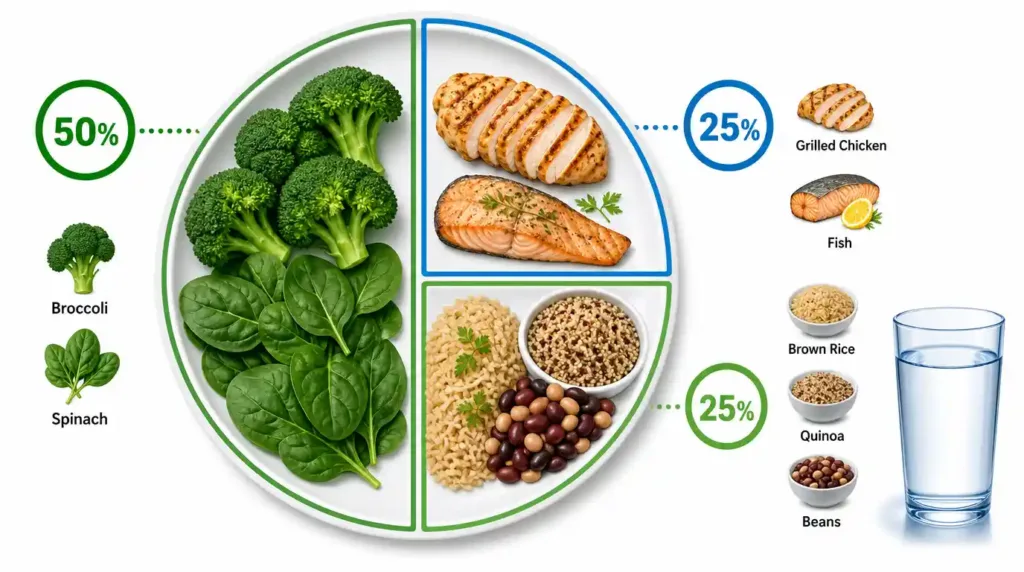
The simplest way to build a balanced diabetes-friendly meal? Use your plate as a guide.
The Plate Method, recommended by both the CDC and the American Diabetes Association, works like this:
start with a standard 9-inch dinner plate, then divide it into three sections:
- Half the plate: Non-starchy vegetables (broccoli, spinach, salad greens, green beans, tomatoes)
- One quarter: Lean protein (chicken, fish, tofu, eggs, beans)
- One quarter: Carbohydrate-rich foods (brown rice, whole grains, starchy vegetables)
Add a glass of water or unsweetened iced tea, and you’ve got a structured, blood-sugar-friendly meal without tracking a single calorie or downloading a diabetic diet meal plan app.
Quick tip: Pair your carbs with protein, fat, or fiber at every meal. This combination slows how quickly carbohydrates raise blood sugar.
Tip 2: Load Up on Non-Starchy Vegetables
Non-starchy vegetables are among the best foods for people managing diabetes. They’re high in vitamins, minerals, and fiber—and low in carbohydrates and calories—which means they have minimal impact on blood glucose, even in generous portions.
Great choices include:
- Leafy greens (spinach, kale, arugula)
- Broccoli and cauliflower
- Bell peppers and zucchini
- Cucumbers, tomatoes, and mushrooms
- Green beans and asparagus
The goal: fill half your plate with these at every meal. They add volume and nutrients without driving blood sugar spikes.
Tip 3: How Does Counting Carbohydrates Help Manage Blood Sugar Levels?
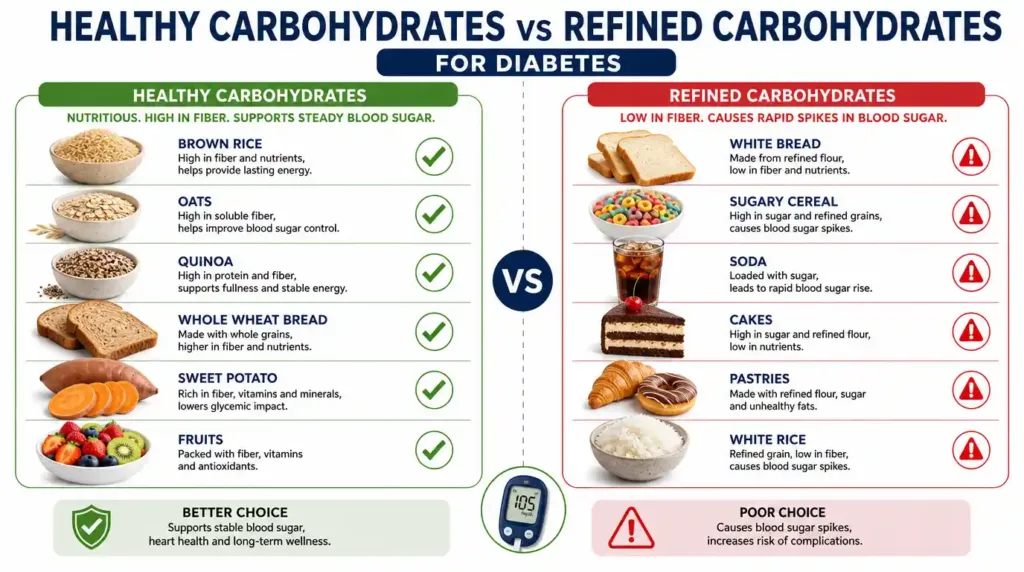
Carbohydrates have the greatest direct impact on blood sugar of any macronutrient. When carbs are digested, they break down into glucose and enter the bloodstream—which is why both the type and the quantity of carbs you eat matter so much.
Carb counting involves tracking the grams of carbohydrates per meal. A registered dietitian can help you determine your personal carb target, which varies based on weight, activity level, and medications. Common starting ranges are a 1,200 calorie diabetic diet plan for those managing weight more aggressively, or a meal plan for a 1,800-calorie diet for diabetes for those with higher activity levels or different metabolic needs.
Focus on quality carbohydrates, such as:
- Fruits and vegetables
- Whole grains (oats, quinoa, brown rice, whole-wheat bread)
- Legumes (lentils, chickpeas, black beans)
- Low-fat dairy
Limit or avoid:
- White bread, white rice, and refined pasta
- Sugary drinks and fruit juices
- Baked goods made with refined flour
The CDC also notes that eating carbs alongside protein, fat, or fiber slows glucose absorption—a simple pairing that makes a measurable difference in post-meal blood sugar readings.
Diabetes-Friendly Carbohydrate Swaps
Instead of
- White Rice
- White Bread
- Sugary Breakfast Cereals
- Regular Pasta
- Fruit Juice
- Sweetened Yogurt
- Potato Chips
- Soda
Choose
- Brown Rice
- Whole Wheat Bread
- Oatmeal
- Whole Grain Pasta
- Whole Fruite
- Plain Greek Yogurt
- Roasted Chickpeas
- Water or Unsweetened Tea
Making even one or two of these substitutions can significantly improve blood sugar control over time.
Tip 4: Make Fiber Your Secret Weapon
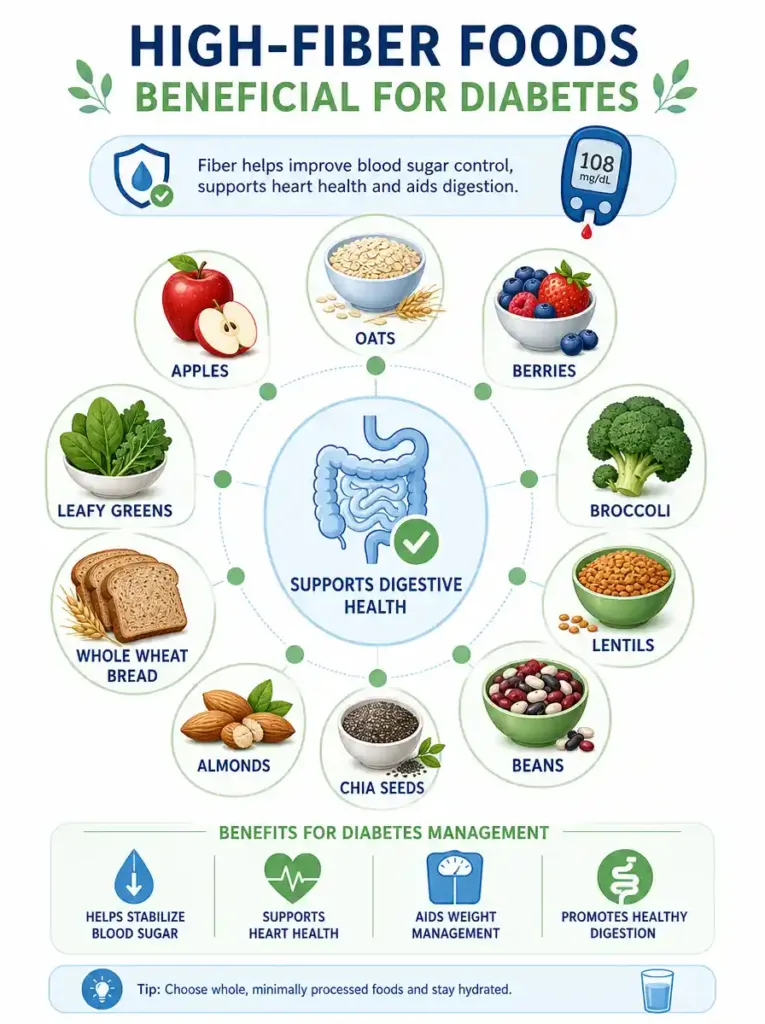
Fiber is one of the most underutilized tools in diabetes management. It slows digestion, moderates how quickly blood sugar rises after a meal, and supports heart health—a major concern for people with diabetes.
Research published in PLOS Medicine found that increasing dietary fiber intake is associated with improvements in HbA1c levels and fasting blood glucose in people with diabetes. The American Diabetes Association recommends aiming for approximately 25–38 grams of fiber per day, depending on age and sex.
High-fiber foods to prioritize:
- Vegetables and whole fruits (eating whole fruit rather than drinking juice maximizes the fiber benefit)
- Nuts and seeds
- Legumes (beans, lentils, peas)
- Whole grains
A practical shortcut: if it comes in a package, check the label. Aim for at least 3 grams of fiber per serving.
Top High-Fiber Foods for Diabetes
The following foods provide fiber while supporting healthy blood glucose levels:
| Food | Approximate Fiber |
|---|---|
| Lentils (1 cup cooked) | 15 g |
| Black Beans (1 cup cooked) | 15 g |
| Chia Seeds (2 tbsp) | 10 g |
| Pear (medium) | 6 g |
| Apple (medium) | 4–5 g |
| Broccoli (1 cup cooked) | 5 g |
| Oatmeal (1 cup cooked) | 4 g |
Aim to increase fiber gradually and drink adequate water to support digestion.
Tip 5: How Should You Choose Protein as Part of a Diabetic Diet Plan?
Protein helps stabilize blood sugar by slowing carbohydrate absorption and supporting satiety. The key is choosing lean sources that don’t come loaded with saturated fat.
Lean protein choices include:
- Chicken and turkey (without skin)
- Fish and shellfish
- Eggs
- Tofu and tempeh
- Legumes (which also count as a carbohydrate—worth noting when carb-counting)
- Low-fat dairy
For those following a vegetarian diabetic diet meal plan, tofu, tempeh, legumes, and low-fat dairy provide adequate protein without the cardiovascular risk that comes with high-fat animal proteins. Research published in Diabetes Spectrum (2017) confirmed that vegetarian diets can be effective tools for blood glucose management in type 2 diabetes.
Limit high-fat animal proteins like red meat, processed meats (sausage, bacon, hot dogs), and full-fat cheese. These are high in saturated fat, which raises LDL cholesterol and increases cardiovascular risk—a meaningful concern given that diabetes already raises the risk of heart disease and stroke (Mayo Clinic).
Tip 6: Include Heart-Healthy Fats in Moderation
Not all fat is created equal—and for people with diabetes, choosing the right type matters considerably.
Monounsaturated and polyunsaturated fats can help lower LDL cholesterol and reduce cardiovascular risk. Sources include:
- Avocados
- Nuts (almonds, walnuts, pistachios)
- Olive, canola, and peanut oils
Saturated and trans fats should be minimized. These are found in butter, tropical oils (coconut, palm kernel), fried foods, processed snacks, and commercially baked goods.
One important caveat: even healthy fats are calorie-dense. Moderation still matters, particularly for anyone managing weight alongside diabetes.
Tip 7: What Are the Benefits of Eating Fatty Fish for People With Diabetes?
Mayo Clinic recommends eating heart-healthy fish at least twice a week as part of a diabetic diet plan. Fatty fish—including salmon, mackerel, sardines, and tuna—are rich in omega-3 fatty acids, which support cardiovascular health and help reduce inflammation.
Cardiovascular disease is the leading cause of death among people with type 2 diabetes. Incorporating omega-3-rich fish regularly is a straightforward, evidence-supported step toward reducing that risk.
Preparation matters: opt for baked, grilled, or broiled fish rather than fried.
Note: If you are pregnant, planning to become pregnant, or breastfeeding, avoid fish high in mercury (shark, swordfish, king mackerel, tilefish). Consult your healthcare provider for guidance.
Tip 8: Cut Back on Added Sugars and Refined Grains
Added sugars and refined grains cause rapid spikes in blood glucose—exactly what a diabetic diet plan aims to prevent.
The CDC recommends a good meal plan should include:
- Fewer added sugars and refined grains (white bread, white rice, regular pasta, pastries, sweetened cereals)
- Fewer highly processed foods
- More whole foods in their natural state
This doesn’t mean you can never have dessert. The American Diabetes Association notes that people with diabetes can enjoy sweets occasionally—the key is portion size, timing, and how the food fits into the overall day’s eating. Swapping refined grains for whole-grain alternatives is a small, sustainable change with a measurable payoff for blood sugar control.
Tip 9: What Is the Mediterranean-Style Meal Pattern and How Does It Help With Diabetes?
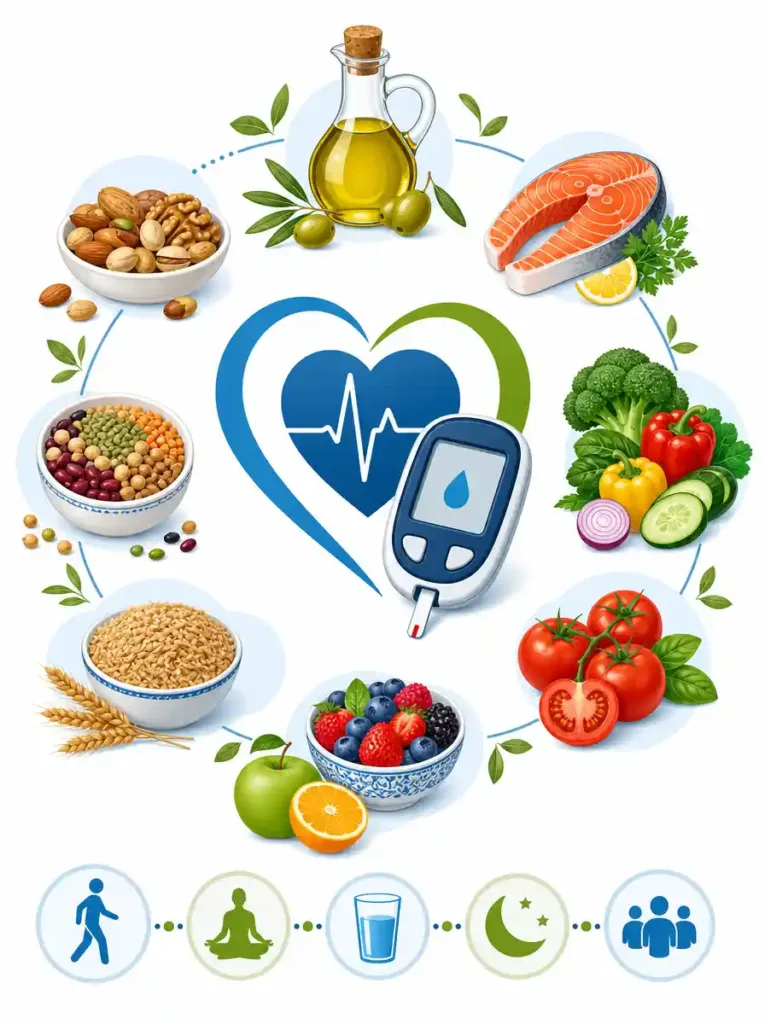
The Mediterranean-style meal pattern is one of seven evidence-based eating patterns identified by the ADA in its Nutrition Consensus Report. Research published in PLOS Medicine and PLOS ONE (National Institutes of Health, 2020) found that adherence to the Mediterranean diet is associated with lower HbA1c levels and a better cardiovascular risk profile in people with diabetes.
Core components:
- Abundant plant-based foods (vegetables, fruits, whole grains, legumes, nuts, and seeds)
- Olive oil as the primary fat source
- Fish and seafood multiple times per week
- Moderate amounts of dairy (yogurt and cheese)
- Limited red meat
- Little to no added sugar or refined carbohydrates
This pattern is well-suited to reducing A1C, lowering triglycerides, and decreasing the risk of cardiovascular events. It also adapts naturally to a vegetarian diabetic diet meal plan by leaning more heavily on legumes, whole grains, and plant-based proteins.
Tip 10: Should People With Diabetes Consider a Low-Carbohydrate Meal Pattern?
Low-carbohydrate eating is another ADA-endorsed meal pattern with strong evidence for blood sugar management. The ADA defines a low-carbohydrate diet as one where carbohydrates make up 26–45% of total daily calories.
This approach is particularly effective for people looking to:
- Reduce A1C
- Lose weight
- Lower blood pressure
- Raise HDL (good) cholesterol
- Reduce triglycerides
A very low-carbohydrate pattern (less than 26% of calories from carbs, or roughly 20–50 g of non-fiber carbohydrates per day) produces similar benefits, but requires closer medical monitoring and is not appropriate for everyone.
Choose low-carbohydrate if: blood sugar control and weight management are primary goals, and you can sustain the pattern long-term.
This approach may not be ideal if: you have kidney disease (for whom a diabetic renal diet meal plan requires a different set of protein and mineral adjustments), take certain diabetes medications, or find very restrictive eating patterns difficult to maintain. Always consult your healthcare provider before making major dietary changes.
Tip 11: How Does the DASH Meal Pattern Benefit People With Diabetes?
The Dietary Approaches to Stop Hypertension (DASH) meal pattern was originally developed to lower blood pressure—but it’s also recognized by the ADA as beneficial for people with diabetes or at elevated risk of developing it.
DASH emphasizes:
- Vegetables and fruits
- Whole grains
- Low-fat dairy
- Poultry, fish, and nuts
- Reduced sodium, saturated fat, red meat, and sugar-sweetened beverages
Choose DASH if: managing blood pressure is a priority alongside blood sugar control. The combination of high fiber, low sodium, and lean protein makes DASH particularly effective for people managing both hypertension and diabetes—a pairing that’s more common than most people realize.
Tip 12: Why Does Consistent Meal Timing Matter for Blood Sugar Control?
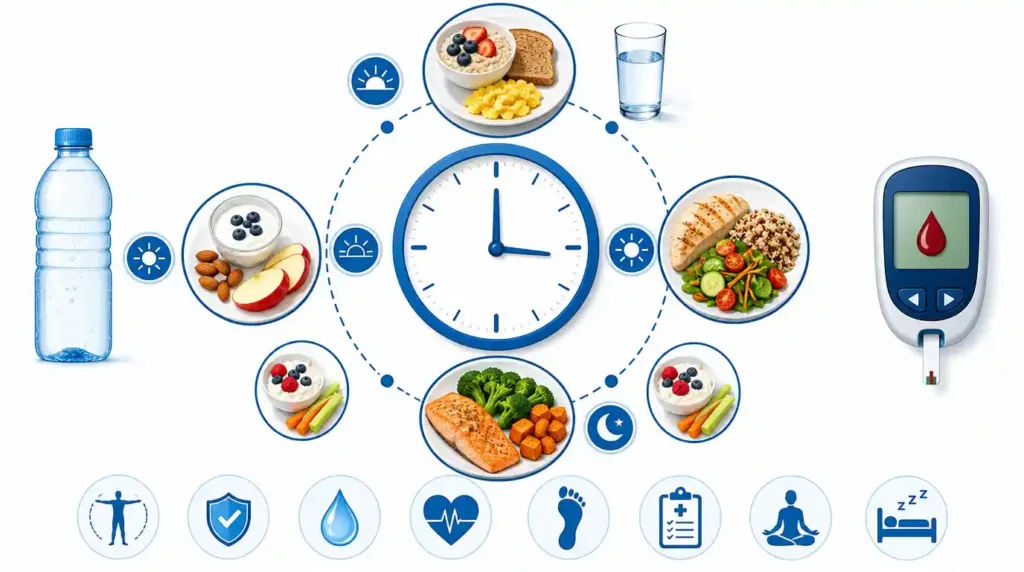
What you eat matters. So does when you eat.
Eating at regular, consistent times helps your body use insulin more effectively—whether that insulin is produced naturally or taken as medication. Skipping meals or eating at irregular intervals can cause blood sugar to swing in both directions, increasing the risk of hyperglycemia (high blood sugar) and hypoglycemia (low blood sugar) alike.
Practical strategies for consistent meal timing:
- Eat three balanced meals per day at roughly the same times
- Space meals 4–6 hours apart
- If you snack, plan it rather than graze reactively—and count carbs in your daily total
- Avoid skipping breakfast, which can cause blood sugar to dip and lead to overeating later in the day
If your schedule makes consistency difficult, a registered dietitian or a diabetic diet meal plan app—such as mySugr, which allows users to log blood sugar, meals, and activity—can help you build a flexible framework that fits your lifestyle.
One-Day Diabetes-Friendly Meal Plan
The following sample meal plan demonstrates how many of the principles discussed in this article can work together in a practical daily routine.
Breakfast
- Vegetable omelet with spinach and tomatoes
- One slice whole-grain toast
- Unsweetened tea or coffee
Mid-Morning Snack
- Handful of almonds
- Small apple
Lunch
- Grilled chicken breast
- Brown rice
- Mixed vegetable salad with olive oil dressing
Afternoon Snack
- Plain Greek yogurt
- Chia seeds
Dinner
- Baked salmon
- Steamed broccoli
- Quinoa
Evening Option (If Needed)
- Small serving of cottage cheese
- Cucumber slices
This meal plan provides a balance of carbohydrates, protein, healthy fats, and fiber while supporting steady blood sugar levels.
Build Your Diabetic Diet Plan One Step at a Time

No diabetic diet plan works instantly, and no single approach suits everyone. The goal isn’t perfection. It’s consistency.
Small, sustainable changes to what and when you eat add up over time, supporting better blood sugar control, reduced A1C, and a lower risk of long-term complications. Structured programs—like a free 7-day diet plan for diabetic patients from the CDC or ADA, a my diabetes diet 28-day plan, or a more personalized approach through a registered dietitian—all offer different starting points. Some people respond well to structured plans like a Weight Watchers diabetic diet plan, which combines portion guidance with community accountability.
A few concrete next steps:
- Ask your doctor for a referral to a registered dietitian or a Diabetes Self-Management Education and Support (DSMES) program
- Try the Plate Method at your next meal—no special tools required
- Swap one refined grain (white bread, white rice) for a whole-grain alternative this week
- Add a serving of non-starchy vegetables to one meal per day
- Download a printable diabetic diet meal plan PDF from the ADA or CDC to use as a daily reference
These aren’t dramatic changes. They’re places to start—and starting is the thing.
Common Mistakes That Can Make Blood Sugar Harder to Control
Even when trying to eat healthy, some habits can make diabetes management more difficult.
Skipping Meals
Skipping meals may increase the risk of blood sugar fluctuations and overeating later in the day.
Drinking Calories
Sugary beverages, sweetened coffee drinks, and fruit juices can raise blood glucose rapidly.
Underestimating Portion Sizes
Even healthy foods can affect blood sugar when consumed in excessive amounts.
Avoiding All Carbohydrates
Carbohydrates are not the enemy. Choosing high-quality carbohydrates and controlling portions is usually more effective than eliminating them entirely.
Ignoring Fiber Intake
Many adults consume less fiber than recommended, missing one of the most effective nutritional tools for blood sugar management.
Build Your Diabetic Diet Plan One Step at a Time
No diabetic diet plan works instantly, and no single approach suits everyone.
The goal is not perfection—it’s consistency.
Small improvements made consistently often produce better long-term results than dramatic short-term changes. Whether you choose the Plate Method, Mediterranean Diet, DASH Diet, or a low-carbohydrate approach, the best eating pattern is one that supports your health goals and can be maintained for years rather than weeks.
Start With One Change This Week
Choose one simple action:
- Add a serving of non-starchy vegetables to your lunch or dinner.
- Replace white rice with brown rice.
- Drink water instead of sugary beverages.
- Increase your daily fiber intake.
- Follow the Plate Method for one meal each day.
Over time, these small habits can contribute to better blood sugar control, lower A1C levels, improved cardiovascular health, and a reduced risk of diabetes-related complications.
Helpful Resources for People Living With Diabetes
Consider exploring the following resources:
- Diabetes Self-Management Education and Support (DSMES) programs
- Registered Dietitian Nutritionists (RDNs)
- Certified Diabetes Care and Education Specialists (CDCES)
- Blood glucose tracking applications
- Printable meal planning templates
- Diabetes support groups and community programs
These resources can help transform dietary recommendations into sustainable daily habits.
Frequently Asked Questions
What is the best diabetic diet plan for people with type 2 diabetes?
What foods should people with diabetes avoid?
How many carbohydrates should a person with diabetes eat per day?
Does meal timing affect blood sugar?
Is the Mediterranean diet good for people with diabetes?
Can people with diabetes eat fruit?
Is a low-carbohydrate diet safe for people with kidney disease?
Do diabetic dogs need a special diet too?
Do I need to work with a dietitian to create a diabetes meal plan?
References
- Centers for Disease Control and Prevention (CDC) – Diabetes Nutrition Guidelines
- American Diabetes Association (ADA) – Standards of Care in Diabetes
- Mayo Clinic – Diabetes Diet and Nutrition Recommendations
- National Institutes of Health (NIH)
- PLOS Medicine – Mediterranean Diet and Diabetes Research
- Diabetes Spectrum – Vegetarian Diets and Type 2 Diabetes
- DASH Eating Plan Research Publications