Understanding the Quiet Onset of Diabetes
Diabetes often develops slowly, and the first signs can be easy to miss. Some people assume they are just tired, dehydrated, or under stress, but the body may actually be giving early warning signals. Recognizing these changes early can help you get tested sooner and avoid bigger health problems later.
This article covers the common early symptoms in a simple way. It is meant to help readers understand what to watch for, not to replace medical advice.
Read More about the Diabetes and its types, symptoms & treatment guide
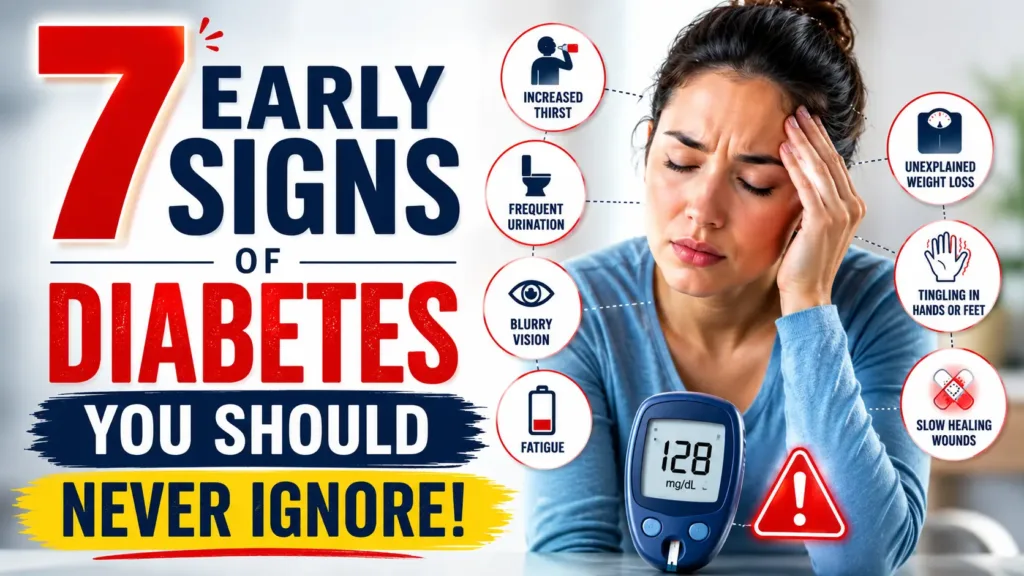
1. Frequent Urination
Going to the bathroom more often than usual is one of the classic early signs of diabetes. This may happen during the day, but many people notice it more at night because it interrupts sleep. When blood sugar is too high, the kidneys try to remove the extra sugar through urine.
That process can make you urinate more often than normal. If this keeps happening without a clear reason, it should not be ignored.
2. Excessive Thirst
If you feel thirsty all the time, even after drinking enough water, it may be a warning sign. Frequent urination can lead to fluid loss, which makes the body feel dehydrated. That dehydration often causes ongoing thirst.
Some people keep drinking water but still do not feel satisfied. When thirst becomes unusual or constant, it is worth paying attention to.
Read more about the symptoms: Diabetes Symptoms: What to Watch For
3. Unexplained Tiredness
Feeling tired after a busy day is normal. But diabetes-related fatigue is different because it can happen even when you are resting well. This happens because the body is not using sugar properly for energy.
As a result, you may feel weak, drained, or mentally slow. If low energy becomes a regular pattern, it may be time to check your blood sugar.
4. Blurred Vision
Diabetes can affect the eyes in the early stages. High blood sugar may cause the lens of the eye to swell, which can make vision blurry or unstable. Some people notice this only for a short time, while others experience it more often.
If your eyesight suddenly changes or becomes unclear without another obvious cause, do not ignore it. Eye changes can be an early clue that blood sugar is not under control.
5. Slow Healing of Cuts and Wounds
Small cuts, scratches, or sores may take longer than usual to heal. This can happen because high blood sugar affects circulation and slows the body’s repair process. It can also make the skin more prone to infection.
You may notice that a simple wound stays red or open for longer than expected. If healing feels unusually slow, it is a symptom worth checking.
6. Increased hunger
Feeling hungry often, even soon after eating, can also be an early signs of diabetes. When the body cannot properly use glucose, the cells may not get enough energy. This can leave you feeling hungry again very quickly.
Some people describe it as a constant urge to eat. If hunger seems out of proportion to your meals, it may be more than just appetite.
7. Unexplained Weight Loss
Losing weight without trying is another symptom that should raise concern. When the body cannot use sugar for energy, it may begin breaking down fat and muscle instead. This can lead to noticeable weight loss even if eating habits have not changed.
Sudden weight loss is not always caused by diabetes, but it should never be brushed off. It is especially important to pay attention if it happens along with thirst, fatigue, or frequent urination.
When to See a Doctor
These symptoms do not always mean diabetes, but they should not be ignored. If you notice more than one of them, especially for several days or weeks, it is a good idea to speak with a doctor and get your blood sugar checked. A simple test can help you find out whether the symptoms have a diabetes-related cause.
Early testing is important because diabetes is easier to manage when it is caught sooner. It also helps reduce the risk of complications later.
Final note
The early signs of diabetes are often subtle, but they matter. Paying attention to small changes in your body can make a real difference. If these symptoms seem familiar, it is better to check early than to wait.