
Introduction
Hello friends, I hope you are all doing well. Today, in this blog, we will discuss another disease: Hepatitis.
Hepatitis affects a very important organ of our body, the liver. It causes inflammation and irritation in the liver. It can be caused by several factors, primarily viral infections. The liver performs many essential functions in our body, such as aiding in digestion, purifying the blood, and storing energy; therefore, hepatitis can be a serious illness.
In this blog, we will discuss in detail what hepatitis is, its different causes, symptoms, diagnosis, and treatment options. Our goal is to provide you with accurate and comprehensive information about this disease so that you can protect yourself and your loved ones.
What is Hepatitis?
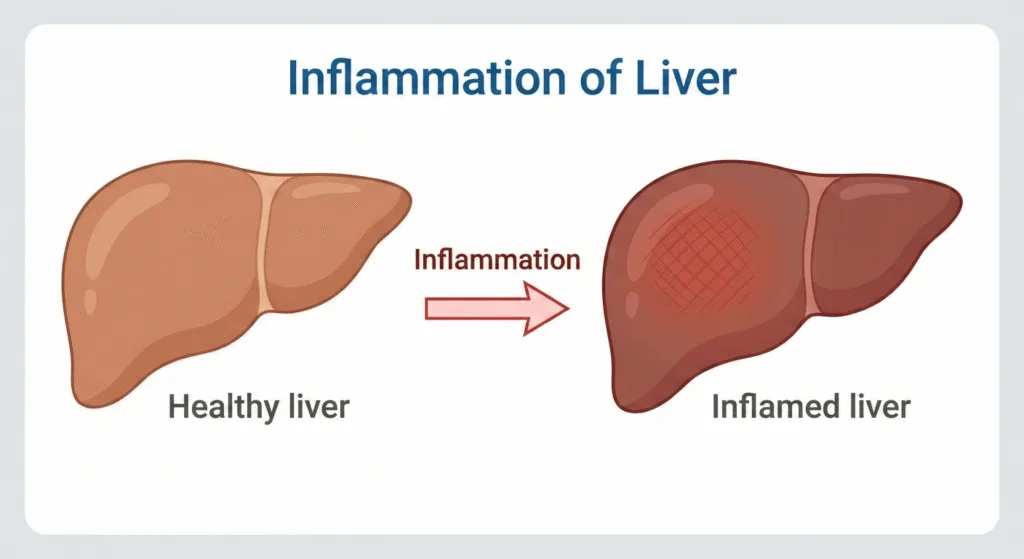
The word hepatitis originates from two Greek words: ‘hepar’, meaning liver, and ‘itis’, meaning inflammation.
According to the World Health Organization (WHO), hepatitis is a major global health problem affecting millions of people worldwide.
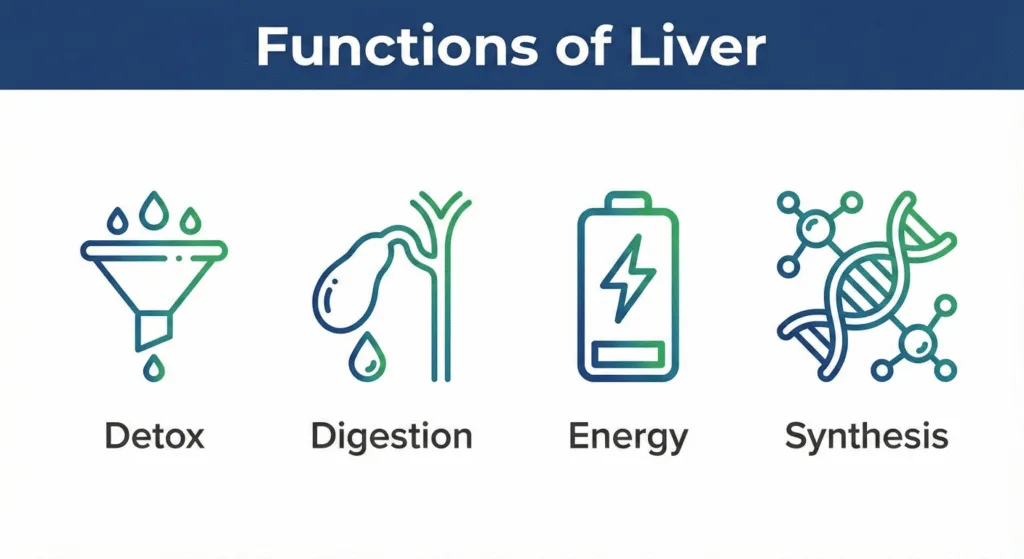
In simple terms, hepatitis means inflammation and irritation of the liver. The liver is a vital organ in our body that performs several essential functions, including:
- Detoxification: It filters harmful substances from the blood, such as toxins and medications, and helps eliminate them from the body.
- Assisting in digestion: It produces bile, which is necessary for digesting fats.
- Energy management: It stores glucose as glycogen for energy and releases it when needed.
- Protein synthesis: It produces proteins for various important functions, including blood clotting and immune function.
Hepatitis can occur in two main forms:
- Acute Hepatitis: This begins suddenly and usually lasts for less than six months. In most cases, the body recovers from the infection.
- Chronic Hepatitis: This persists for six months or longer. If left untreated, it can cause serious liver damage, such as liver cirrhosis or liver cancer.
Types of Hepatitis
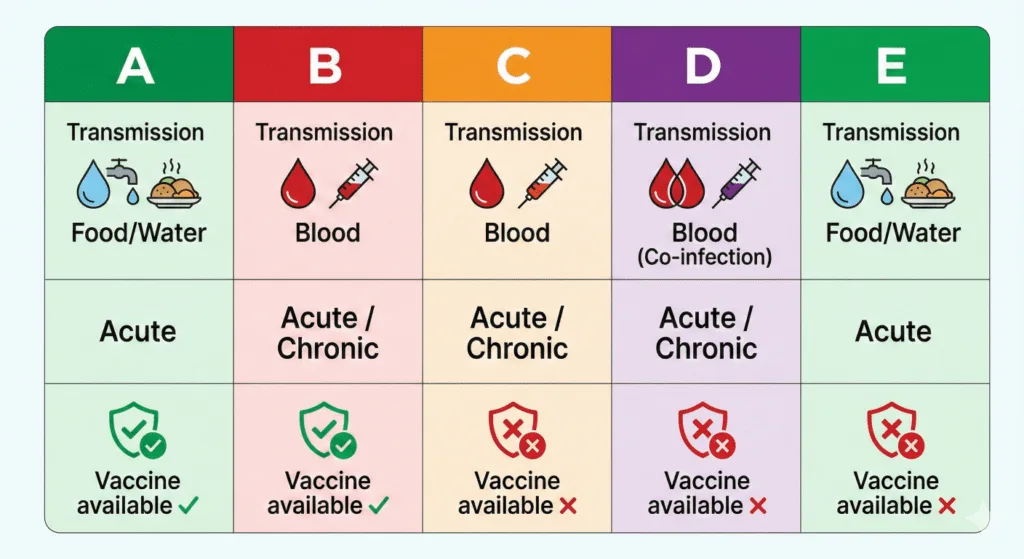
Hepatitis is primarily caused by viral infections, and there are five most common types, known by the letters A, B, C, D, and E. Each type has its own distinct virus and mode of transmission, as explained by the Centers for Disease Control and Prevention (CDC).
Viral Hepatitis
Viral hepatitis is the most common type, with the following major types:
- Hepatitis A (HAV):
- Mode of transmission: It spreads through the consumption of contaminated food or water, or contact with the feces of an infected person (fecal-oral route).
- Nature: It is usually acute (sudden onset) and does not become chronic.
- Prevention: A vaccine is available.
- Hepatitis B (HBV):
- Mode of transmission: It spreads through contact with infected blood, semen, and other bodily fluids, such as unprotected sexual contact, sharing of contaminated needles, or from mother to child during childbirth.
- Nature: It can be acute, but in some cases, it becomes chronic, increasing the risk of liver cirrhosis or cancer.
- Prevention: A vaccine is also available for this type.
- Hepatitis C (HCV):
- Mode of transmission: It is mainly transmitted through contact with infected blood, such as sharing contaminated needles, or through blood transfusions in the past (now rare due to improved screening).
- Nature: It mostly becomes chronic and can cause serious liver damage.
- Treatment: It is treatable with modern medications (DAAs).
- Hepatitis D (HDV):
- Nature: Also known as the delta virus, it can only infect people who are already infected with Hepatitis B.
- Severity: In combination with Hepatitis B, it can be one of the most severe types.
- Prevention: Getting the Hepatitis B vaccine also protects against Hepatitis D.
- Hepatitis E (HEV):
- Mode of transmission: It spreads through the consumption of contaminated water, similar to Hepatitis A.
- Nature: It is usually acute and resolves on its own. However, it can be particularly dangerous for pregnant women.
Non-Viral Hepatitis
Hepatitis is not only caused by viruses but can also be caused by other factors, including:
- Alcoholic Hepatitis: Excessive alcohol consumption damages the liver and causes inflammation.
- Autoimmune Hepatitis: In this condition, the body’s immune system mistakenly attacks the liver cells, causing inflammation.
- Drug-Induced Hepatitis: Certain medications, supplements, or toxins can damage the liver, leading to hepatitis.
Causes and Risk Factor
Hepatitis can have several causes, the most common being viral infections. Lifestyle and health-related factors also play a significant role.
Main Causes
- Viral Infection: The five main hepatitis viruses are A, B, C, D, and E.
- Contaminated Food and Water: Hepatitis A and E are spread through the consumption of contaminated water or food.
- Infected Body Fluids: Hepatitis B, C, and D are spread through contact with infected blood, semen, and other body fluids.
- Excessive Alcohol Consumption: Long-term and excessive alcohol consumption damages the liver, leading to alcoholic hepatitis.
- Medications and Toxins: Some medications, supplements, or industrial toxins can damage the liver, causing drug-induced hepatitis.
- Autoimmune Diseases: In autoimmune hepatitis, the body’s immune system mistakenly attacks the liver cells.
Risk Factors
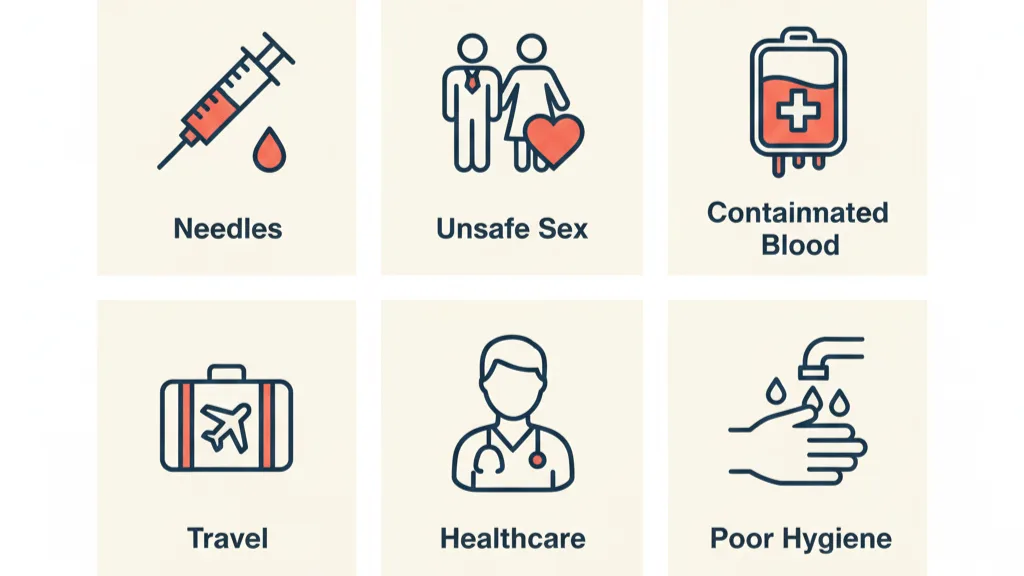
- Unsafe Sexual Practices: This is a major risk factor for the spread of viruses like hepatitis B and C.
- Sharing Needles: Sharing contaminated needles among people who inject drugs is a major cause of hepatitis B and C infections.
- Unsafe Blood Transfusion: Although now rare due to improved screening, there was previously a risk of infection through blood transfusions.
- Travel to High-Risk Areas: Traveling to areas where hepatitis A and E are common increases the risk of exposure to contaminated water or food.
- Lack of Vaccination: Not being vaccinated against hepatitis A and B increases the risk of infection.
- Being a Healthcare Worker: Healthcare workers are at risk of exposure to infected blood if proper precautions are not taken.
Symptoms of Hepatitis
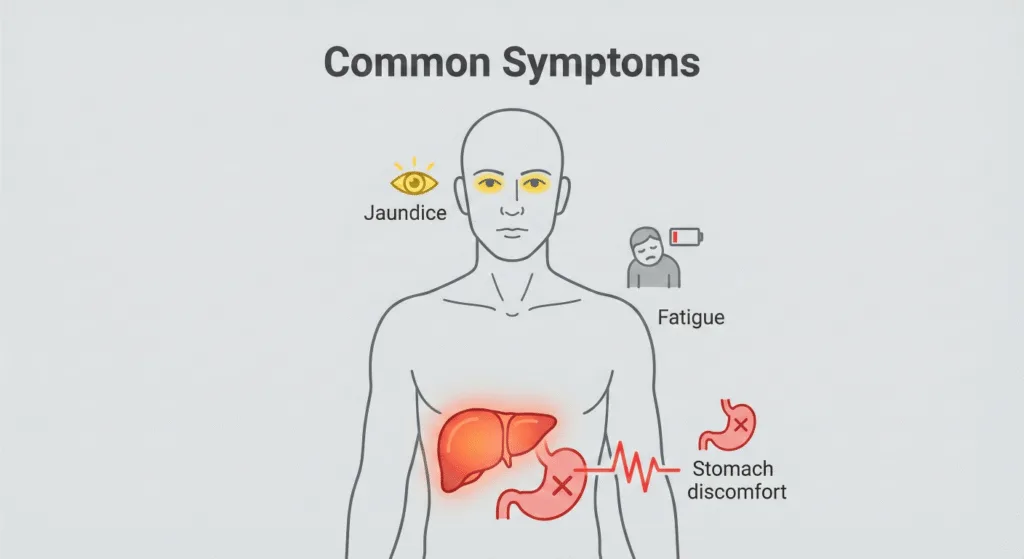
Hepatitis symptoms can range from mild to severe, depending on whether the infection is acute or chronic. Sometimes, especially in chronic hepatitis C, no symptoms are present in the early stages.
Common symptoms may include:
- Jaundice: This is the most common symptom, characterized by yellowing of the skin and the whites of the eyes. This occurs because the liver is unable to process bilirubin properly.
- Fatigue: Feeling extremely and persistently tired.
- Abdominal pain and discomfort: Pain or discomfort, especially in the upper right side of the abdomen (where the liver is located).
- Loss of appetite: A decreased desire to eat.
- Nausea and vomiting: Feeling sick to your stomach and throwing up.
- Pale stools: Stools that are lighter in color due to a blockage in bile flow.
- Dark urine: Urine that is darker than usual due to a buildup of bilirubin.
- Joint pain and fever: In some cases, flu-like symptoms such as a low-grade fever and joint or muscle pain may occur.
Hepatitis Diagnosis
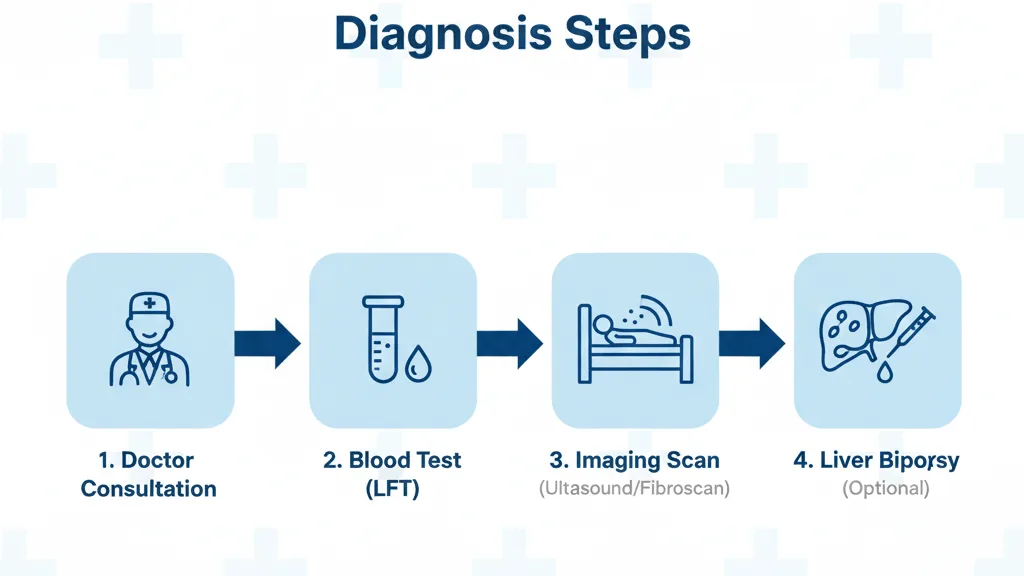
Doctors use several types of tests and procedures to diagnose hepatitis. The diagnostic process helps determine the cause of liver inflammation (such as viral, alcoholic, or autoimmune) and the extent of liver damage.
The main steps in the diagnosis are as follows:
- Physical Examination and Medical History: The doctor will first take a detailed history of your symptoms, travel history (to high-risk areas), risk factors (such as alcohol consumption, medications, or sharing needles), and sexual history. During the physical examination, the doctor may check for signs of jaundice (yellowing of the skin and eyes) and the size of the liver.
- Blood Tests: Blood tests are the most important part of hepatitis diagnosis and primarily include:
- Liver Function Tests (LFTs): These tests measure the levels of liver enzymes (such as AST and ALT) in the blood. Elevated enzyme levels indicate liver inflammation and damage.
- Viral Hepatitis Panel: These tests detect the presence of specific hepatitis viruses (A, B, C, D, E) antibodies and antigens in the blood. This determines the type of infection and whether it is acute or chronic.
- Other blood tests:
- Autoimmune markers: To detect autoimmune hepatitis.
- Bilirubin levels: To measure the severity of jaundice.
- Prothrombin Time (PT)/INR: This indicates the liver’s ability to clot blood, which reflects liver function.
- Imaging Tests: Imaging tests may be performed to visualize the condition of the liver and the extent of damage:
- Abdominal Ultrasound: This creates images of the liver, gallbladder, and spleen. It helps detect any lumps or abnormalities in the liver.
- FibroScan or Transient Elastography: This is a non-invasive technique to measure the extent of fibrosis (scarring) and cirrhosis in the liver.
- Liver Biopsy: In some cases, doctors may recommend a liver biopsy. In this procedure, a small sample of tissue is taken from the liver and examined under a microscope. This helps in determining the exact extent of liver damage, the cause of inflammation, and the progression of chronic hepatitis.
Note: This information is for general awareness only, and it is always important to consult a qualified physician for an accurate diagnosis.
⚠ Disclaimer
The content provided in this blog is for educational and informational purposes only. It should not be taken as medical advice. Always consult a licensed healthcare professional before starting, changing, or stopping any medication. Treatment decisions should be based on a doctor’s evaluation of your individual health status and medical history.
Management & Treatment Options
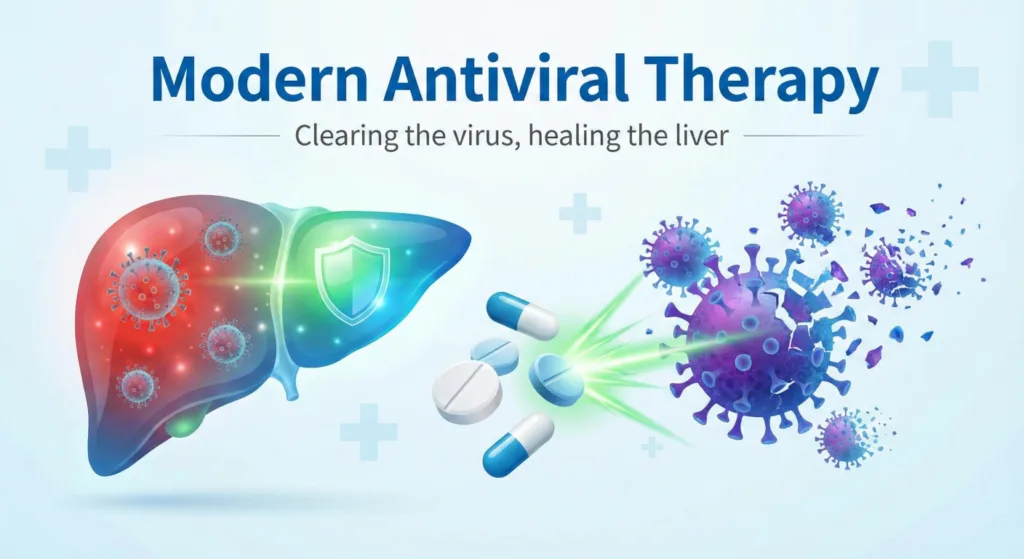
Successful treatment of hepatitis depends on its type (viral, alcoholic, autoimmune) and its nature (acute or chronic). The main goals of treatment are to prevent liver damage, slow the progression of the disease, and control symptoms.
- General Treatment Principles
The first principle of treatment is to identify the root cause of the disease.
- Acute hepatitis A and E: These usually resolve on their own, so treatment focuses on managing symptoms and helping the body recover.
- Chronic hepatitis (B, C, D) and non-viral hepatitis: These types require specific and active treatment to prevent long-term liver damage (such as cirrhosis or cancer).
- Antiviral Therapies
For chronic forms of viral hepatitis, special medications are used:
- Hepatitis B: Antiviral medications (such as tenofovir or entecavir) are often given to patients with chronic hepatitis B. These medications do not eliminate the virus, but they prevent it from replicating in liver cells, slowing the progression of liver damage.
- Hepatitis C: In modern medicine,Direct-Acting Antivirals (DAA)The medications are very effective and can usually eliminate the virus completely from the body within an 8- to 12-week course.
- Hepatitis D: It is usually treated with interferon-based medications or newer antiviral medications, as it tends to be one of the most serious types, along with hepatitis B.
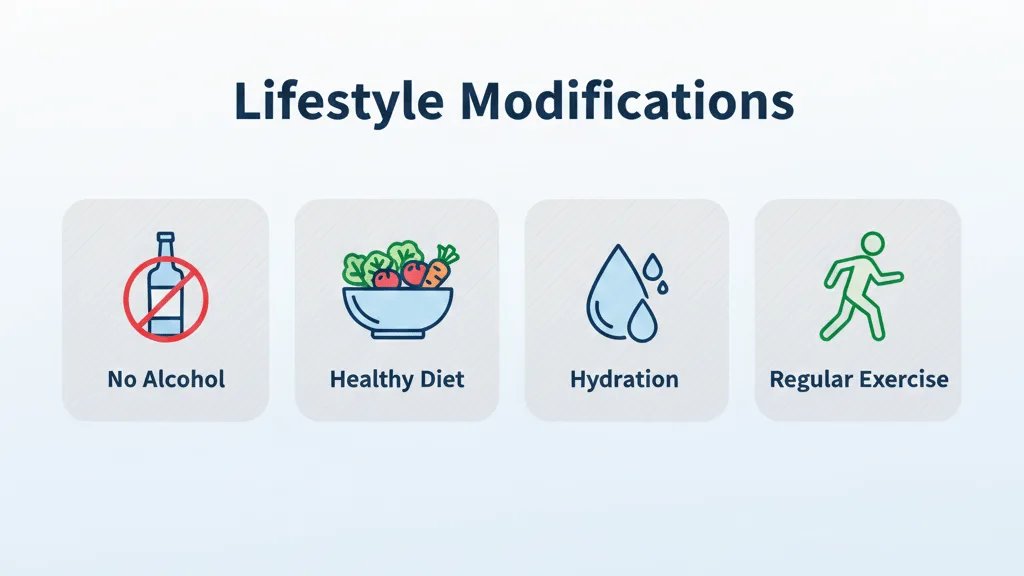
- Lifestyle Modifications and Supportive Care
This is an important part of treatment, which is helpful for all types of hepatitis:
- Rest and nutrition: In cases of acute hepatitis A and E, getting enough rest, eating a balanced diet, and staying hydrated are most important.
- Avoiding alcohol: For persons suffering from alcoholic hepatitis stop consuming alcohol completely. This is the first and most important step. Without it, no treatment can be successful.
- Reviews of drugs: In case of drug-induced hepatitis, doctors recommend immediate discontinuation of the medication or supplement that is causing liver damage.
- Autoimmune Management: for autoimmune hepatitis, to suppress the immune system (Immunosuppressive Drugs) such as corticosteroids, are given.
- Monitoring and Long-term Management
Regular monitoring of liver status is very important in chronic hepatitis:
- Regular check-ups: Patients with chronic hepatitis require regular blood tests, ultrasound and fibroscan to monitor liver function (LFTs), virus load and the extent of liver damage.
- Management of complications: If the disease has reached an advanced stage such as cirrhosis, complications associated with cirrhosis (such as ascites or portal hypertension) are treated.
- Liver Transplant: In case of liver failure, liver transplantation may be the last option.
- Prevention: For hepatitis A and B vaccination is an important part of long-term management, especially for people at high risk.
This information is for general awareness. It is important to always consult a qualified physician or hepatologist for any type of diagnosis or treatment.
Preventions & Control
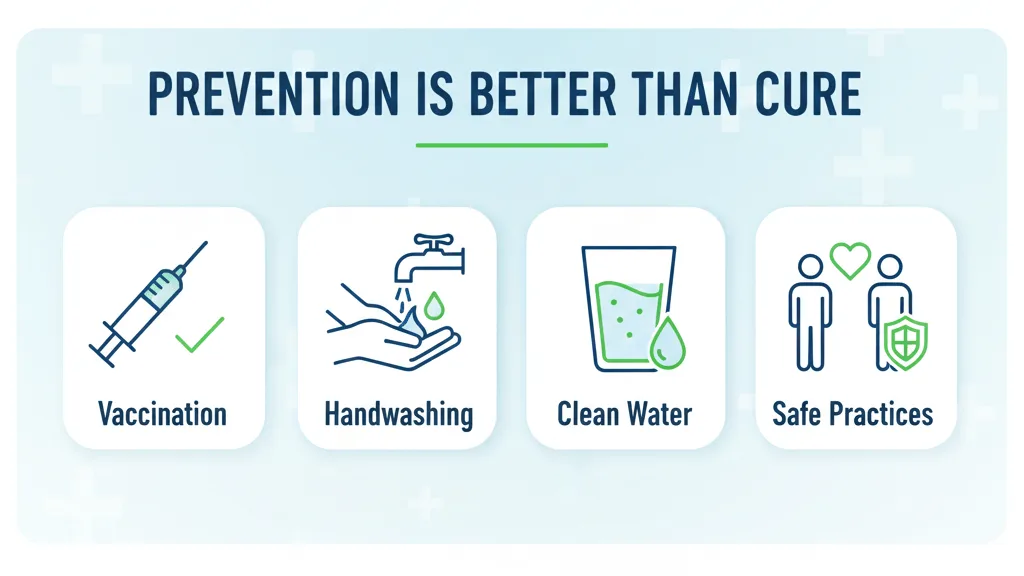
Hepatitis prevention depends on the type. Because the disease is primarily related to infections and lifestyle, a comprehensive approach is essential to prevent it.
- Vaccination Programs
Vaccination is the most effective way to prevent hepatitis A and B.
- Hepatitis A vaccine: It protects against infection from contaminated food and water. It is recommended for children and those traveling to high-risk areas.
- Hepatitis B vaccine: This is the most important preventative measure and is recommended for newborns starting soon after birth. This vaccine protects against infections spread through blood and bodily fluids, and also protects against hepatitis D (since HDV can only be transmitted by someone infected with HBV).
- Safe Hygiene and Sanitation Practices
This is important to prevent types of hepatitis A and E that are spread through the ‘fecal-oral’ route.
- Hand washing: Washing hands thoroughly with soap and clean water after defecation, before preparing food, and before eating.
- Safe water and food: Drink only clean and boiled water, and eat properly cooked and clean food.
- Maintaining cleanliness: Pay special attention to cleanliness in public places and at home.
- Blood Safety and Infection Control
Hepatitis B, C, and D are spread primarily through contact with infected blood and bodily fluids.
- Screening of blood donation: Thoroughly testing the blood before blood transfusion.
- Safe injection practices: Use needles and syringes only once and dispose of them properly in healthcare facilities. Those injecting drugs should avoid sharing needles.
- Not sharing personal items: Avoid sharing personal items such as razors, toothbrushes, and nail clippers, as these may have traces of blood on them.
- Safe sex: Using condoms to reduce the risk of transmission of hepatitis B and C.
- Public Health Initiatives
Government and community efforts also play an important role in prevention.
- awareness campaign: Educating people about the risk factors, symptoms and prevention methods of hepatitis.
- Screening Program: Running hepatitis B and C screening programs for high-risk groups, such as pregnant women, to ensure timely diagnosis and treatment.
- Improvement in sanitation infrastructure: Ensuring safe drinking water and proper sanitation facilities in communities.
- Chronic Disease Management: Providing regular medical care and monitoring to people with chronic hepatitis to prevent complications such as liver cirrhosis and cancer.
Complications and Long Term effect
If hepatitis is not treated promptly and appropriately, especially chronic (long-term) hepatitis B and C, it can severely damage the liver and lead to a number of serious complications. These complications develop gradually and can have a profound impact on life.
- Liver Cirrhosis
This is the most common and serious complication of hepatitis.
- What happens: Repeated inflammation and damage can cause deep scar tissue to form on the liver. This scarring hardens the liver and prevents it from functioning properly.
- Results: A healthy liver is now replaced by a scarred liver, causing liver function to deteriorate.
- Liver Failure
If cirrhosis becomes severe or if acute hepatitis is very severe, liver failure may occur.
- What happens: The liver stops functioning completely. It is unable to remove toxins from the body, thicken the blood, and produce essential proteins.
- Seriousness: This is a life-threatening condition that often requires a liver transplant.
- Hepatocellular Carcinoma / Liver Cancer
Chronic hepatitis (especially hepatitis B and C) is one of the biggest causes of liver cancer.
- Risk: When inflammation and damage to the liver persists for a long time, abnormal changes occur in the cells, which greatly increases the risk of cancer.
- Prevention: Regular screening is important for people with chronic hepatitis to help detect cancer at an early stage.
- Impact on Quality of Life
Living with hepatitis or its complications for a long time can have a negative impact on a person’s daily life.
- Fatigue and weakness: Chronic fatigue is a feeling of constant tiredness and weakness, making it difficult to work or participate in social activities.
- Mental health: Prolonged illness can lead to anxiety and depression.
- Social and Economic Burden: Frequent doctor visits, medical expenses, and reduced work capacity increase the financial and social pressure on the family.
The best way to avoid these serious complications is to get vaccinated against hepatitis A and B, adopt a safe lifestyle, and get prompt and consistent treatment for any infection.
Living with Hepatitis
Living with hepatitis is not just about taking medicines or visiting the doctor. It is a long journey that also requires taking care of the mental and social aspects.
- Psychological and Social Considerations
When someone learns they have hepatitis (especially chronic B or C), it can cause shock, anxiety, and depression.
- Fear and stress: People are often worried about the severity of the disease, the damage to the liver, and the cost of treatment.
- social isolation: Some people avoid friends and family, worried they might also become infected. This increases loneliness.
- Mental health: Constant fatigue and illness can negatively impact mental health. In these situations, talking to a counselor or therapist can be very helpful.
- Open communication: Talk openly with your partner and close family members. Provide them with accurate information about the risks of infection and prevention methods.
- Patient Education and Support Systems
Correct information is the biggest weapon to fight disease.
- Understanding the disease: Ask your doctor or nurse for details about your illness, the nature of the virus, and the treatment process. The more you understand the illness, the less fear you will feel.
- Support Groups: Join support groups where there are other people living with hepatitis. Sharing your experiences and hearing from others can help you feel empowered and less alone.
- Role of the family: Educate your family about the disease and its care. Their support helps strengthen the patient’s mental health.
- Nutrition and Lifestyle: Focus on your diet, abstain from alcohol completely, and exercise regularly.
- Reducing Stigma and Discrimination
There are many misconceptions and stigmas prevalent in the society regarding hepatitis, especially hepatitis B and C, which need to be removed.
- Spreading awareness: It’s important to educate the public that hepatitis isn’t spread through touching, hugging, sharing food, or drinking. This awareness is what helps break down stigma.
- Facing Discrimination: If you face discrimination in employment, healthcare, or social activities, speak up. Legal rights and support organizations can help.
- Right to Privacy: You have the right to decide who you want to tell about your illness. Keeping your health information private is your personal decision.
It’s absolutely possible to live a normal and happy life with hepatitis. With the right treatment, a positive attitude, and social support, you can effectively manage this disease.
You May Also Like
Conclusion
Hepatitis is a serious disease affecting the liver, one of our body’s most vital organs. As we’ve seen, it can be caused by viral infections (A, B, C, D, E) as well as excessive alcohol consumption, certain medications, and autoimmune reactions.
Although it can be a challenging disease, the good news is that effective prevention and management methods are available. For hepatitis A and B vaccination is the most powerful defense. In addition, safe hygiene (handwashing), consuming clean water and food, blood safety measures, and practicing safe sex all play an important role in controlling the disease.
In chronic hepatitis, modern antiviral medications and regular medical monitoring can prevent serious complications such as liver cirrhosis or cancer. Most importantly, with the right information, timely diagnosis, and social support, even people with hepatitis can live normal and happy lives. It is our responsibility to spread awareness about this disease and reduce stigma.

FAQs
Hepatitis means inflammation and irritation of the liver. It can be caused primarily by infection with five different viruses (A, B, C, D, E), or by excessive alcohol consumption and certain medications.
Hepatitis A is spread through contaminated food or water and usually resolves on its own. Hepatitis B is spread through infected blood, semen, and other bodily fluids, and it can become chronic, leading to liver cirrhosis or cancer. Vaccines are available for both.
The most common symptoms include jaundice (yellowing of the skin and eyes), extreme fatigue, pain in the upper right side of the abdomen, loss of appetite, nausea, and dark urine.
Chronic Hepatitis C is treated with modern direct-acting antiviral (DAA) medications. These medications are typically administered in an 8 to 12-week course and are highly effective at completely eliminating the virus from the body.
If left untreated, chronic hepatitis can cause severe liver damage, leading to liver cirrhosis (scarring of the liver), liver failure, and liver cancer.